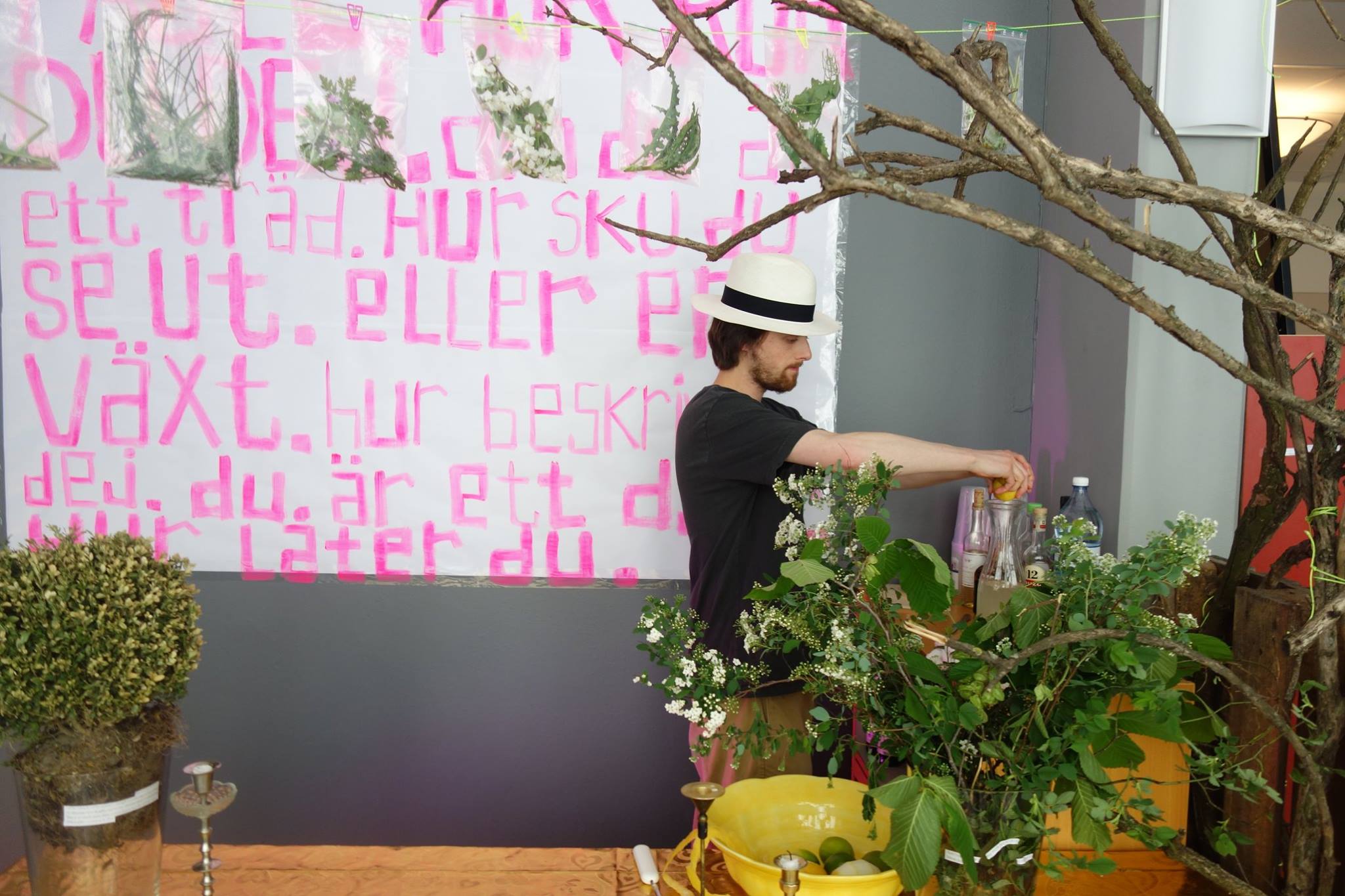
Our Sister organisation MKP (Tomorrow’s Art Audience) is launching a new project about sustainable agriculture and food in 2027. Here is a short introduction.
How food is produced and what we eat are essential to our health and to the sustainability of our societies. A network of Nordic organisations from four countries will organise workshops in three Nordic countries, bringing together expertise and experience that remain fragmented across the region and between disciplines. Participants include specialists and educators in nutritional therapy, gut-health researchers, ecological farmers, soil-health scientists and educators and practitioners in the arts. The working process puts special emphasis on how the arts and education can help to communicate knowledge about sustainable farming and healthier eating habits in new and creative ways. By connecting organisations and sharing knowledge across borders, we will map existing practices while strengthening collaboration through new ideas. Our aim is not only to exchange knowledge, but also to develop and spread innovative and sustainable methods among Nordic civil society institutions.
Finally, we want to share our own knowledge, experience and our connections related to art, education and science networks in Europe with our Nordic peers.
(1) In April 2027, the participants will meet at Ekerö and Stockholm. Here, we will begin with a creative two-day working session at Rastaholmen, focusing on natural and human-made toxins in the environment and their effects on our bodies. What can we do to produce cleaner food, and how can we support our bodies’ detoxification? The participants will get to know each other and share methodologies, research and practices. Lectures and discussions will be combined with practical exercises in nature, cooking and simple dance exercises to activate the body. Healthy, locally sourced food will be served throughout. On the third day, we will visit Rosenhills Trädgårdar to learn about ecological farming and gain practical insights into more sustainable food production. On the fourth day, we will conclude in Stockholm with a public event at Tekniska museet, presenting lectures on our work and an artistic performance using live microbes to introduce the themes of the second workshop.
(2) The second workshop will take place in Copenhagen in June 2027, focusing on eating habits and the human microbiome (the microbes that we live in symbiosis with.) How can we support a healthy gut microbiome through what we eat and through changes in life style? What do our bodies lack and how can we ingest what is needed? The workshop will conclude with a public event combining presentations of our findings with artistic performances exploring the project’s key questions.
(3) The third working session will take place in Jakobstad in north-western Finland, in September 2027. We will work closely with Garden Flora, a local plant school, and the local arts community. The first part will focus on growing food in northern conditions and the practical challenges this involves, followed by a public event combining lectures and artistic performances. The second part will focus on improving education in novel ways around the project’s themes and collectively documenting and evaluating the project.
In the long run, it is in everyone’s interest to have access to good, relatively toxin free food and to eat well. Such foods can have enormous impact on our health. In a shorter perspective, we aim that the network’s members learn from each other the key aspects of establishing better health through sustainable agriculture and better eating habits. We also investigate the role of pollutants, how they can be avoided and cleansed from the body in new ways.
The final end goal of the project lies in sharing methods to promote healthier eating and living habits to the whole region. The project puts special emphasis on using the directness of the arts to reach audiences with these messages in creative and inspiring ways. That is why the project brings together players in ecological farming, medical research, health, cutting edge cooking together with open-minded arts organisations.
The group meets regularly over a long period, allowing us to share experiences and influences and, through this exchange, develop new knowledge and a deeper understanding of Nordic life, including health, agriculture, and culture. The project supports interdisciplinary collaboration across the whole region and promotes new ways of working across disciplines and borders. This is important for building sustainable and dynamic Nordic life, not only in major cities but also in more remote areas such as Ostrobothnia.
We also explore northern agriculture and eating habits, asking how conditions differ for partners working near or above the Arctic Circle compared to those in southern Denmark.
We are happy to have IKFKOS aboard the project who will offer animist perspectives on the project’s questions. The project therefore looks how unique Indigenous Sámi perspectives can become integrated in the mainstream.