- A cultural exchange between Sweden, Norway, Denmark and Russia 2016-17.
Background
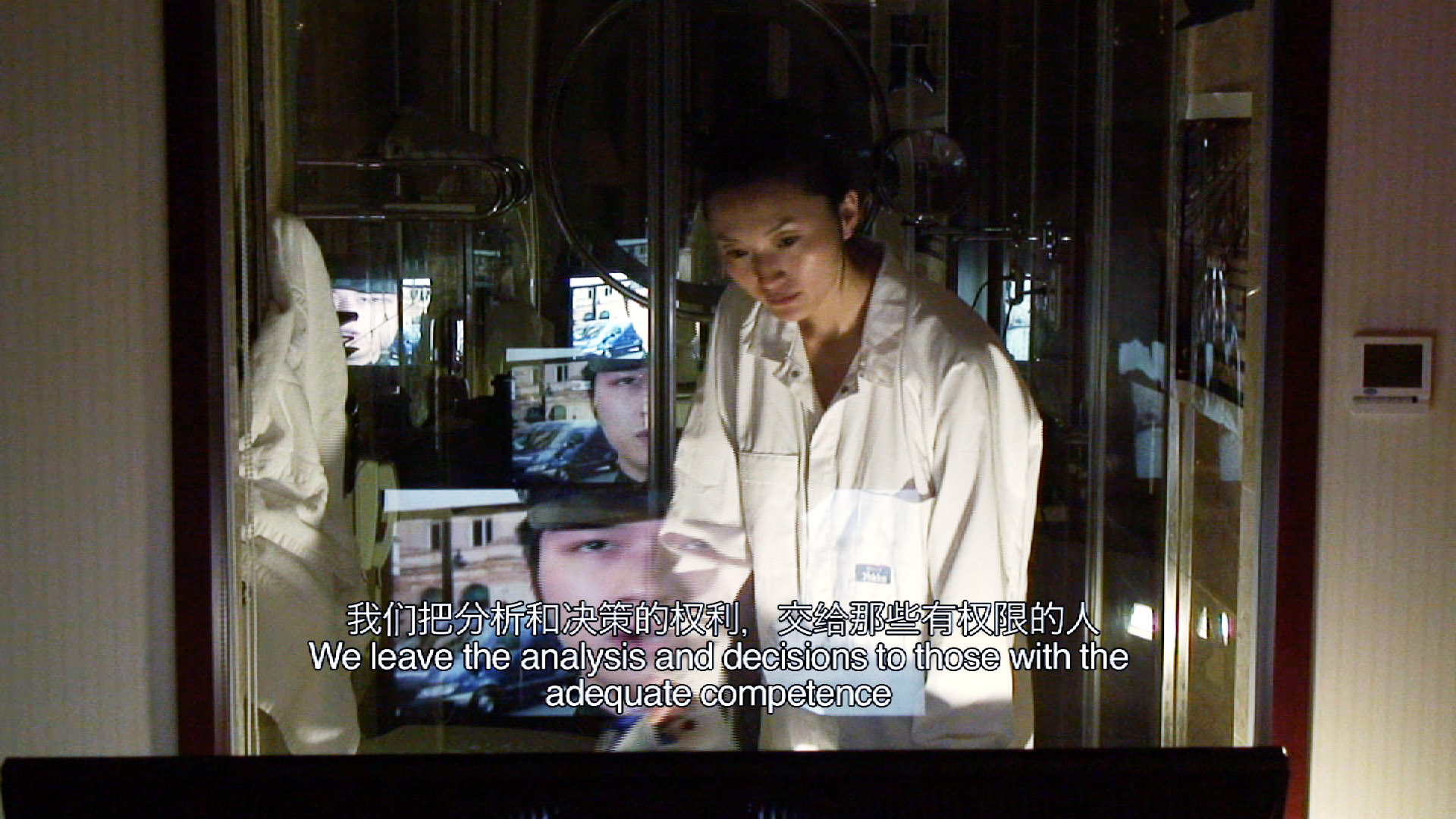
Some members of the project have been engaged in a collaborative investigation of contemporary industrial practices and its impact on the lives of humans across the globe. The group has visited a variety of different work places in various countries to get a better understanding how industrial practices and thinking shape our values and lives. They often collaborate with local artists as they travel and they have made public presentations in Europe and China in the last 3 years. Through an invitation to present their work within the framework of Vallastaden 17, they developed a network to go deeper into related questions in the Nordic and Russian context.
Problematic
The development of digital technologies and the rising price of real estate in our city centres mean that the relationship between home and work is changing. The boundaries become more porous; many find new and hybrid ways of supporting themselves. This happens in a time when the workforce finds less satisfaction at work than in a long time. Gallup published a report in 2013 based on questionnaires carried out in 142 countries. It shows that 83% of the people employed feel disengaged at work. It means that the human resources that make up 4/5 of the adult population is carrying out tasks, rather than actively engaging in what they do. The network will investigate how we can make better use of human potential and at the same time make people’s (working) lives more rewarding. It will do so by drawing experience from the member’s experience.
The network’s activities will focus on three questions:
- How are the boundaries between living space and working space changing? How does architecture and city planning respond to these challenges?
- How can we make our daily life at work more rewarding?
- How can the young develop new ways to earn a living that makes them feel appreciated and engaged?
The network wants to use the exchanges as well as the innovative potential among the members to open for dialogues between different social and intellectual strata of society. We will instigate dynamic dialogues within the urban fabric between groups who currently remain separated and through that unleash creativity and invention.
Methodology
The project takes its starting point in visual art. However it is still fundamentally interdisciplinary in nature and brings together a variety of expressions including architecture, history, philosophy and media studies. The project will be carried out in three interconnected sections that corresponds to three cities and representatives from all collaborating organisations will be present in all three sections:
The first meeting will take place in Stockholm in January 2017. It will offer the participants the opportunity to familiarize with each other, each other’s practice and the questions of the project. The seminar will focus on the historical and cultural roots of how we conceptualise work today. Together the group will investigate if the relationship to home and work has changed over time and how it is seen in other cultures. The second meeting will take place in Copenhagen in March 2017. The group will focus on technological developments and how they affect the conditions for work. Can we imagine work differently in the future and what possibilities does technology offer for the young? The third and final meeting will take place in Kirkenes in May 2017. The group will focus on the historical and cultural roots of how we think about the notion of home today. Together the group will investigate if the relationship to our home has changed over time and how it is seen in other cultures.
Each meeting will be rounded off with short public presentations that allow the art world and professionals who are engaged in challenging ideas about work to take part in the outcomes of each session. The public discussions also gives the participants an opportunity to gauge the validity of the results and their potential future impact.
Outcomes
The network will create a better understanding about the potential for the future of work and what can be done to make it more inspiring for the workforce and how people can find a deeper meaning in their existence. The project will create a better historical understanding about how the home and the workplace are linked as well as how art and culture can actively be a part of changing the social and physical fabric of the city.
The network will offer new contacts between four Nordic cities and offer them an important creative and critical input. It will offer new ideas about how Nordic cities and their social networks can function more dynamically in the future. It will inspire new dialogues between disconnected disciplines and develop methods and knowledge with long-lasting effects and impact.
The network’s activities will lay the foundation for an exhibition and connected events in conjunction with “Vallastaden 2017,” which is a major international architectural expo in Linköping that looks at the future of living and working. In preparation for the exhibition a group of Nordic creators will live with families in Linköping during two weeks and together reflect on the problematics of the project. This working method is based on Wooloo’s previous experiences with “Applied Hospitality” and will develop these ideas in a broader Nordic context. The project will also spread the acquired knowledge to a broad Nordic network of artists, decision makers and academics through exhibitions and events at Vallastaden 2017. Each partner will also use their network to promote the results.
Participating organisations:
Wooloo (Denmark), Pikene på broen (Norway), Linköpings universitet (Sweden) and Vallastaden 2017 (Sweden).
The project is supported by Nordic Culture fund.